
Affordable Self-Care Ideas to Recharge at Home

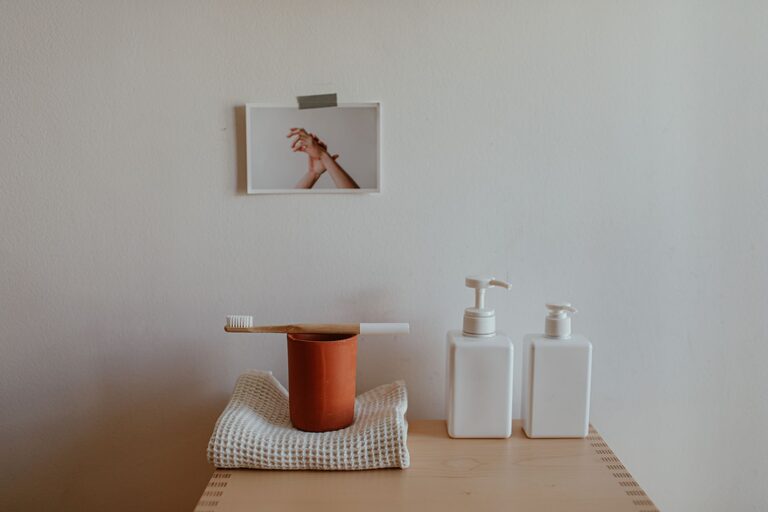
Taking time to care for yourself is essential for maintaining good mental and physical health. However, self-care doesn’t have to be expensive or require special equipment. With a little creativity and mindfulness, you can enjoy numerous low-cost self-care activities right in the comfort of your own home. This post offers practical, easy-to-follow ideas to help you recharge and nurture your wellbeing without breaking the bank.
What Is Self-Care?
Self-care involves actions and practices that support your health and happiness. It can include anything from physical activities and healthy eating to relaxation techniques and hobbies that bring joy. The goal is to balance your life and reduce stress, helping you feel refreshed and resilient.
Why Choose Low-Cost Self-Care?
Spending a lot of money on wellness products or services isn’t always possible or necessary. Low-cost self-care helps you maintain a wellness routine that:
– Is sustainable over time
– Fits around your lifestyle and budget
– Encourages creativity and resourcefulness
– Builds healthy habits without pressure or guilt
Simple and Low-Cost Self-Care Ideas for Home
1. Create a Relaxing Bath Ritual
A warm bath can be incredibly soothing and doesn’t have to cost much. Use items you already have:
– Add a handful of Epsom salts, if available, to soothe tired muscles.
– Drop in a few drops of essential oils like lavender or chamomile for relaxation.
– Light some candles or dim the lights.
– Play calming music or listen to an audiobook.
Spending 20–30 minutes in a bath can help ease tension and prepare you for a good night’s sleep.
2. Practice Mindful Breathing and Meditation
You don’t need any equipment for meditation—just a quiet spot and a comfortable seat. Try these steps:
– Sit comfortably with your back straight.
– Close your eyes and take slow, deep breaths.
– Focus on the sensation of breathing in and out.
– If your mind wanders, gently bring your attention back.
Start with 5 minutes daily and increase as you feel comfortable.
There are free meditation apps and videos online that can guide beginners.
3. Enjoy a Home Spa Day
Turn part of your home into a spa:
– Use ingredients like honey, oatmeal, or yoghurt you have in the kitchen to make natural face masks.
– Apply a homemade sugar scrub with sugar and olive oil.
– Treat your feet to a soak in warm water with salt or baking soda, followed by a good moisturiser.
– Take time to gently massage your hands, feet, or scalp.
These simple treatments can refresh your skin and uplift your mood.
4. Explore Creative Activities
Engaging in creative hobbies is a wonderful way to relax and express yourself. You might:
– Draw, paint, or doodle using basic stationery.
– Write in a journal or start a gratitude diary.
– Try knitting, crocheting, or sewing with leftover fabric.
– Bake or cook a new recipe.
Creative activities help reduce stress and stimulate the mind.
5. Move Your Body
Regular physical activity is a key part of self-care. You don’t need a gym membership:
– Follow free online yoga or pilates classes.
– Take a brisk walk around your neighbourhood.
– Dance to your favourite music.
– Stretch regularly throughout the day.
Exercise releases endorphins which naturally improve your mood.
6. Declutter and Organise Your Space
Organising your living environment can have a positive effect on your mental clarity:
– Tackle one small area each day, such as a drawer or shelf.
– Donate or recycle items you no longer need.
– Create a calm, tidy space where you can relax.
A clean environment encourages rest and reduces anxiety.
7. Connect with Nature at Home
Nature has a calming influence:
– Grow a few houseplants or herbs, which can be inexpensive and uplifting.
– Sit by an open window to enjoy fresh air and natural light.
– Listen to nature sounds or watch birds from your window.
Spending time with nature even indoors can restore your energy.
8. Prioritise Sleep
Good sleep hygiene is vital for wellbeing:
– Establish a relaxing bedtime routine like reading or gentle stretching.
– Avoid screens an hour before bed.
– Keep your bedroom cool, dark, and quiet.
– Stick to regular sleep and wake times.
Quality sleep improves mood, focus, and physical health.
Tips for Making Low-Cost Self-Care Part of Your Routine
– Start small: Incorporate one or two activities at a time.
– Schedule it: Treat self-care like an important appointment.
– Be flexible: Listen to your needs and adjust accordingly.
– Limit distractions: Turn off notifications to fully engage in the moment.
– Celebrate progress: Acknowledge even small achievements.
Final Thoughts
Self-care doesn’t have to be complicated or costly. With a little intention and creativity, you can find many ways to nurture yourself at home without spending much money. Regular self-care improves your resilience, mood, and overall wellbeing, making it a worthwhile investment of your time.
Try some of these ideas this week and see how simple actions can make a big difference to your life. Remember, caring for yourself is not selfish—it’s necessary!